Interview with
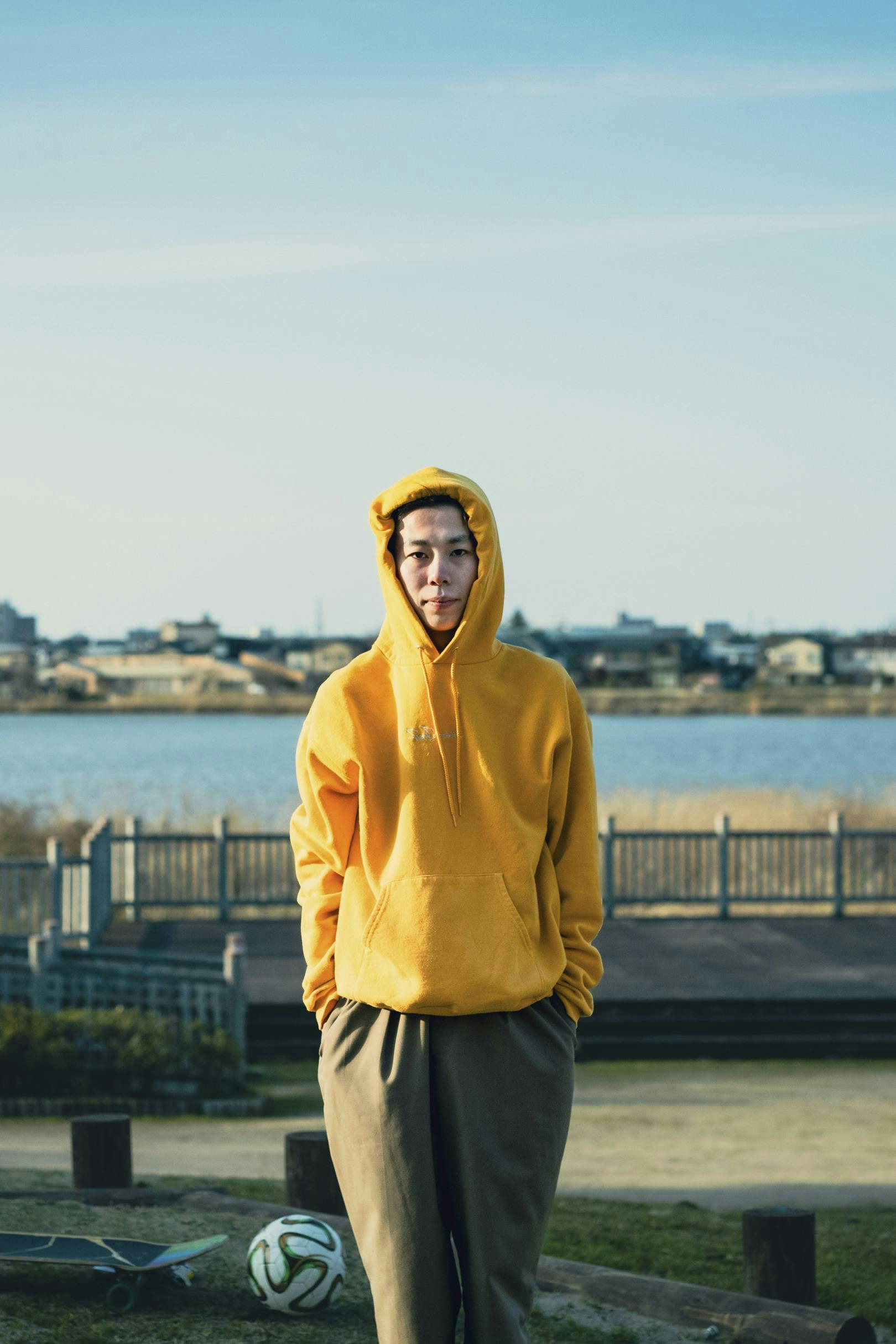
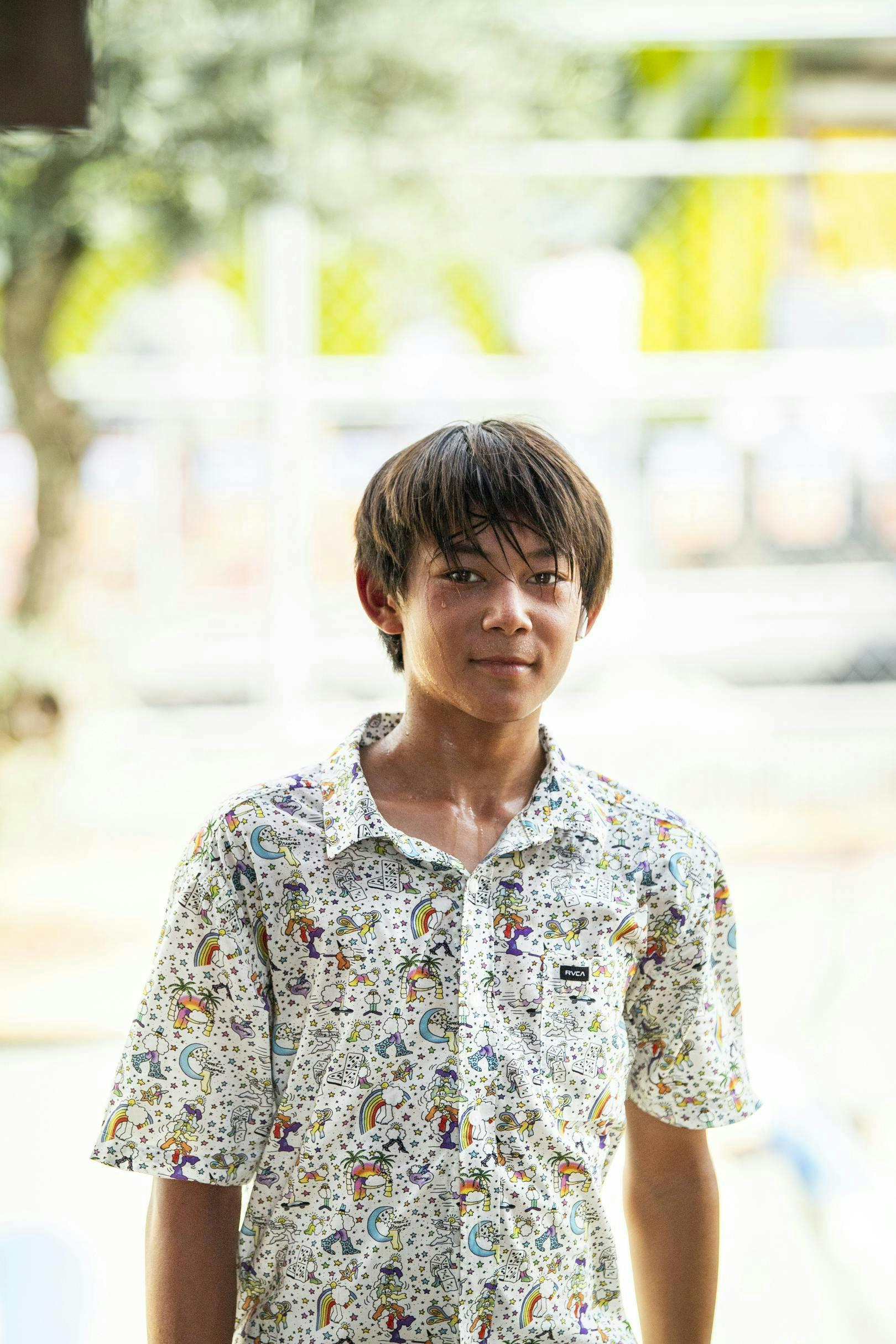
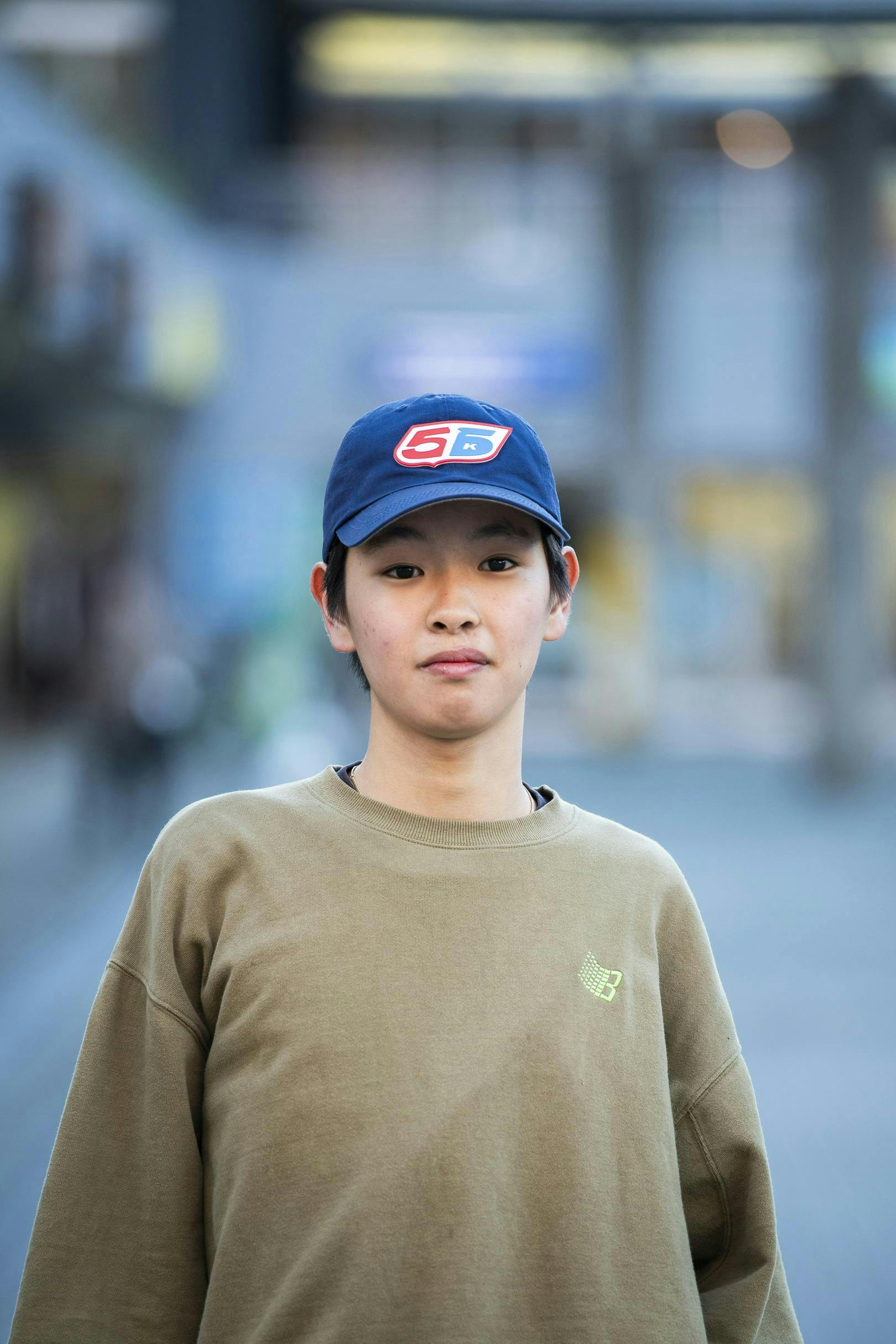
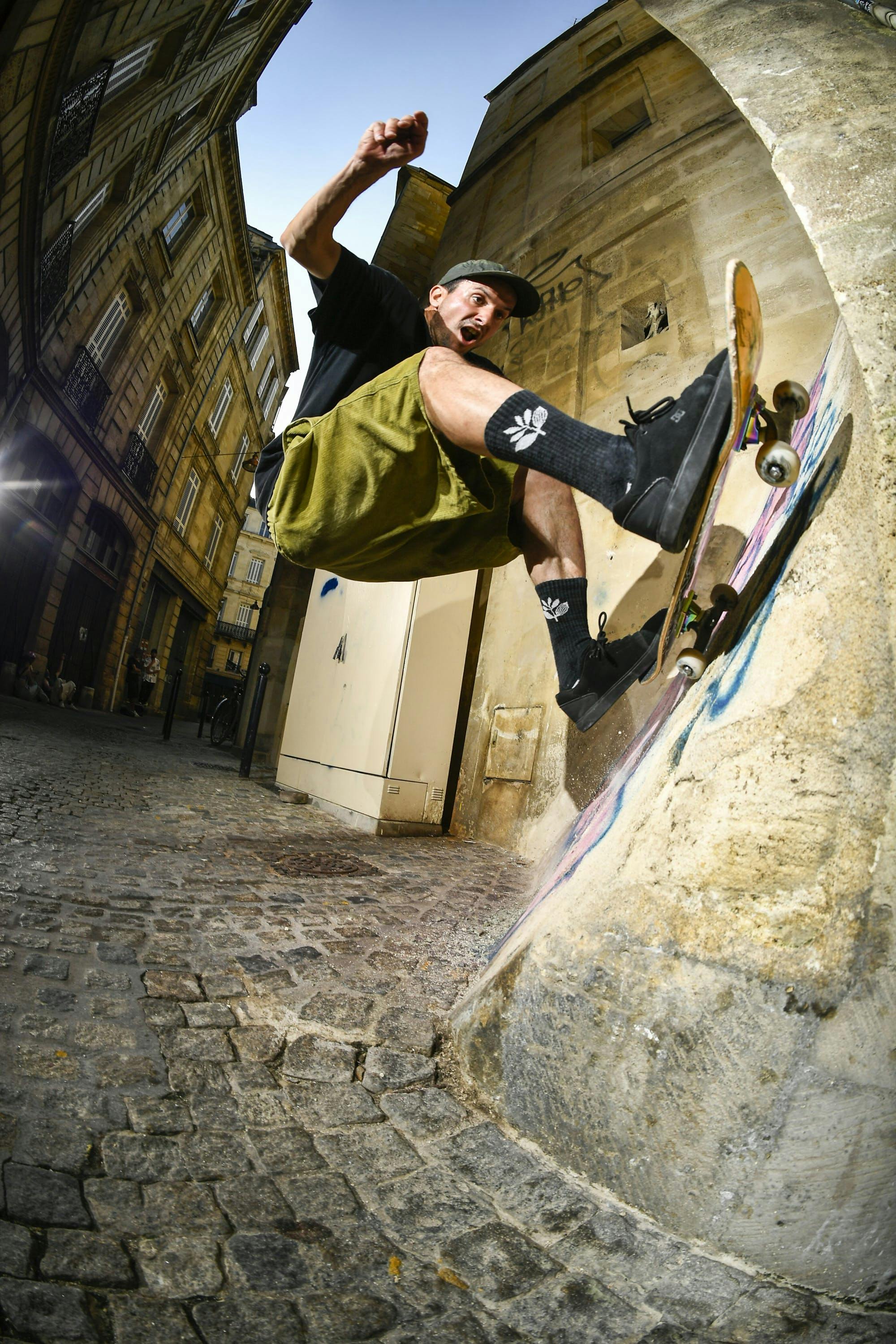
ERIC KOSTON
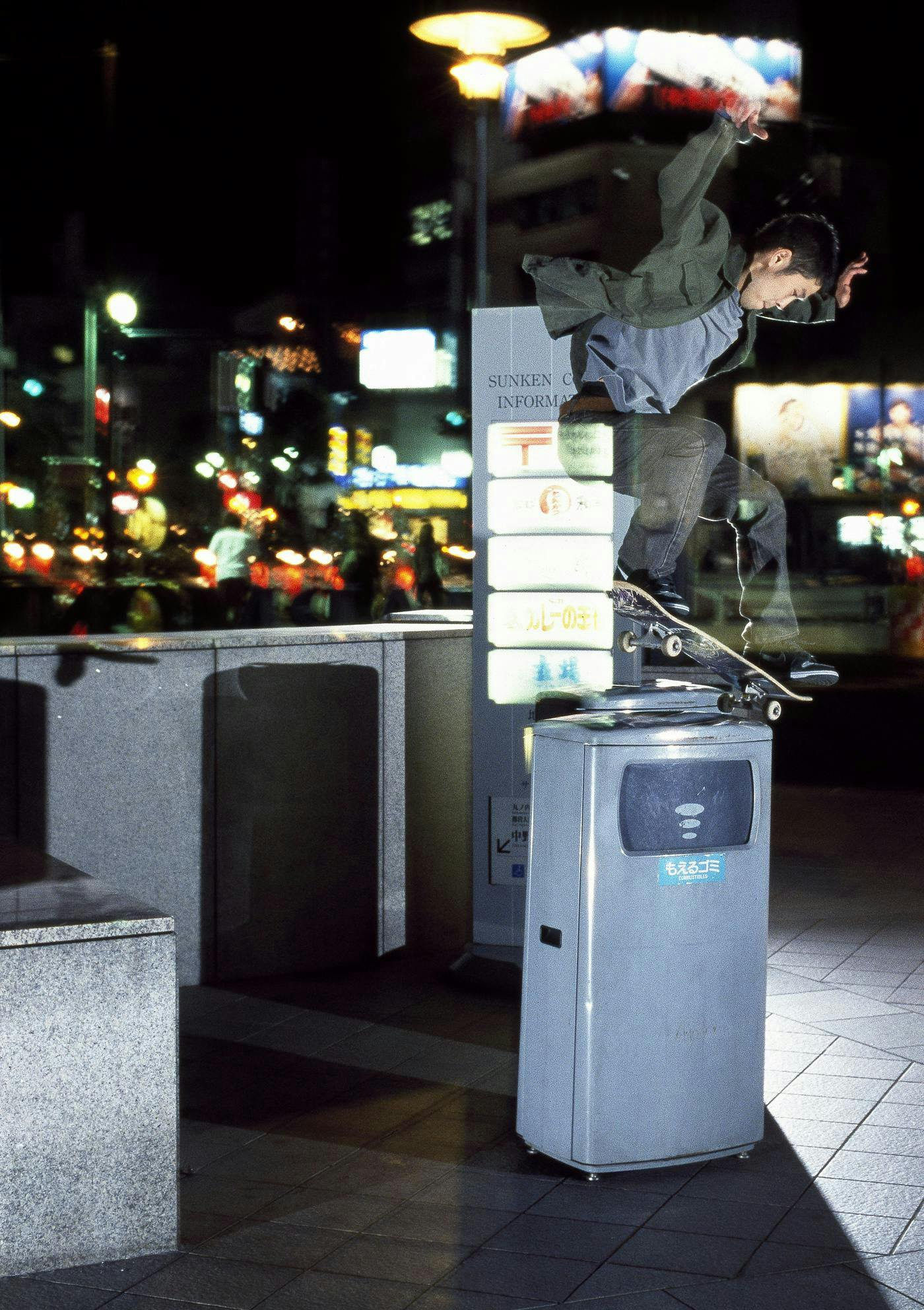
DANNY SUPA
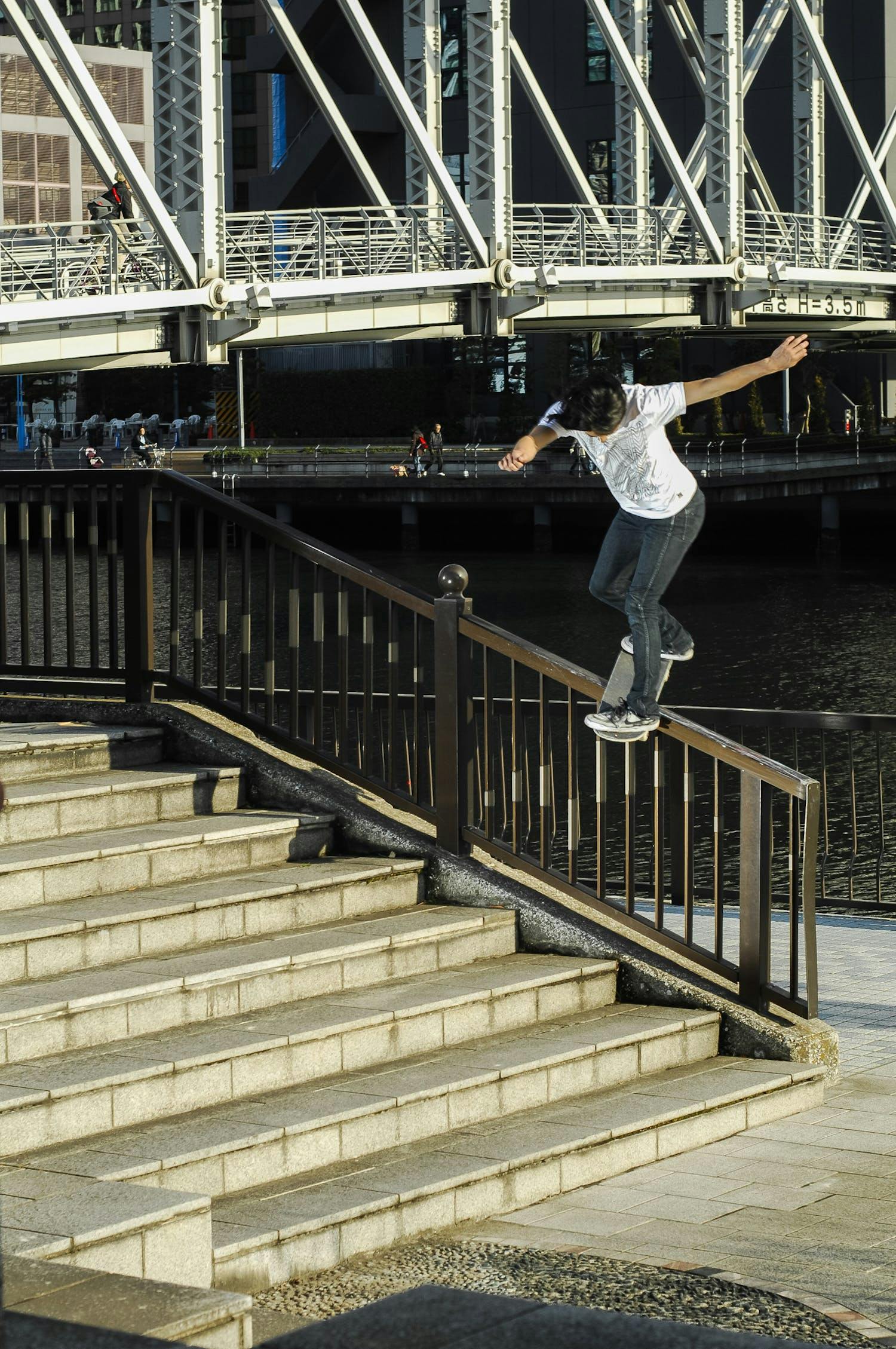
JAKE ANDERSON
"NIKE SB
SONGKRAN DUNK"
【Eng.】
Photos and words by Nobuo Iseki
Every place has its own colors. But in Thailand, those colors carry a unique atmosphere and intensity. From the glow of night street markets to the vivid tones of its food, culture here isn’t just something you see—it’s something you feel.
The Songkran (Thai New Year) Dunk captures that energy. Not only through its visuals, but through memories, roots, and personal stories.
To celebrate the launch of the Songkran Dunk, we traveled to Bangkok and caught up with Eric Koston, Danny Supa, and Jake Anderson, who had gathered in the city for the release event. We shared our first impressions of Thailand, its culture, and how something as simple as food can shape the “feeling” of a shoe.

Q: What did you think when you first saw the Songkran Dunk?
Eric: I thought it was really good. I loved it. I’m half Thai, so I really like this concept. The idea behind it and the inspiration are all great. I’ve liked this kind of thing since I was a kid. I hadn’t seen the full design beforehand, I saw an illustration before it came out. Honestly, it looks even better in person.
Danny: I think it’s really good. The colors remind me of Thai food—like sticky rice.
Eric: Honestly, it kind of reminds me of the Reese Forbes Dunk too.
(Reese Forbes Dunk: The signature model released in the early days of Nike SB’s launch in 2002, belonging to professional skateboarder Reese Forbes.)
Danny: Yeah, I thought the same.
Eric: It also brings back memories from that time. It feels like there’s a bit of a story behind it.
Danny: It reminds me of one of my favorite Dunks as well.
Jake: The details are really nice. The rice basket, the tones on the sole—everything. It’s a really fun shoe.


Q: The Heineken Dunk was one of the most famous SB’s, now this Sonkran Dunk is inspired by Thai food. What do you think about cultural and food elements in skate shoes?
Danny: I think it works really well. Taking culture and putting it into a shoe is interesting, and the fact that it works as a product is great.
Eric: Yeah, I like that kind of thing too. I remember the first time I had Thai food when I was a kid—probably around five years old. It was really spicy, but it was so good. My mouth was burning, but I just kept eating it. That sensation stuck with me. Experiences like that connect to this shoe, and for me, it feels like home.


Q: What stands out to you about Thai culture?
Jake: It’s a really fast-paced and busy city, but at the same time, the culture feels very calm. I like that balance.
Danny: I don’t live in the city, more in the countryside, so what stands out to me are the natural colors—the grass, the flowers—everything is super vivid. It’s just beautiful.
Eric: The development of the city is crazy. The buildings and skyline have changed so much. But the night markets are also really impressive—the colors are super vibrant, and it’s a really stimulating experience.


Q: What’s different about Bangkok now compared to when you came to film for “Menikmati” video ?
Eric: When I first came in 1999, there were a lot of places still under construction—scaffolding everywhere. Now everything’s built, and it’s developed so much. Every time I come back, it’s different. It keeps growing, and I think economically it’s moving in a good direction.
Q: Has being half Thai influenced you?
Eric: Definitely. I have the culture and values I inherited from my mom. Growing up in that environment, that way of thinking is still with me. I want to pass that on to my kids too. They’ve never been here yet, but I want them to experience it someday. I think that culture is being passed down to the next generation.

Q: Danny, you were a key rider during the early days of Nike SB. Do you notice any changes between that time and now?
Danny: It’s been around for a long time and a lot of people love it. Compared to before, it doesn’t look that different, but I think the details have been updated little by little.

Q: Jake, what’s interesting about Thai culture?
Jake: The sense of respect. It’s very different from the U.S. In America, it’s more individualistic, but in Thailand, people look out for each other. I think there’s a lot to learn from that, and I’d like to bring some of that mindset into my own life.
Q: How does traveling influence your skateboarding?
Jake: Every place has completely different spots. There are spots in Thailand you’ll never find anywhere else. Skateboarding is all about improvisation, so when you go somewhere, you end up doing things you never imagined—like doing a trick on a spot you never expected. That’s the best part about traveling.


Q: What’s the first thing you want to eat in Thailand?
Jake: Curry.
Danny: Khao Man Gai and fruits too..
Jake: I want to eat everything (laughs).
Eric: Yeah, everything (laughs).
Q: Final question. Can you describe this Dunk in one word?
Jake: “Vibrant.”
Danny: “Amazing.”
Eric: “Comforting.”
OK! Thank you so much!!

The Songkran Dunk is more than just a colorway. For some, it is nostalgia. For others, it connects to culture, family, and a sense of home. Either way, it is this kind of stories that give life to skateboarding and the products surrounding it.
And sometimes, all it takes is a single pair of shoes to bring these memories back to life.